MarginUp! Enters Final Phase with Strong Momentum at General Assembly in Kozani
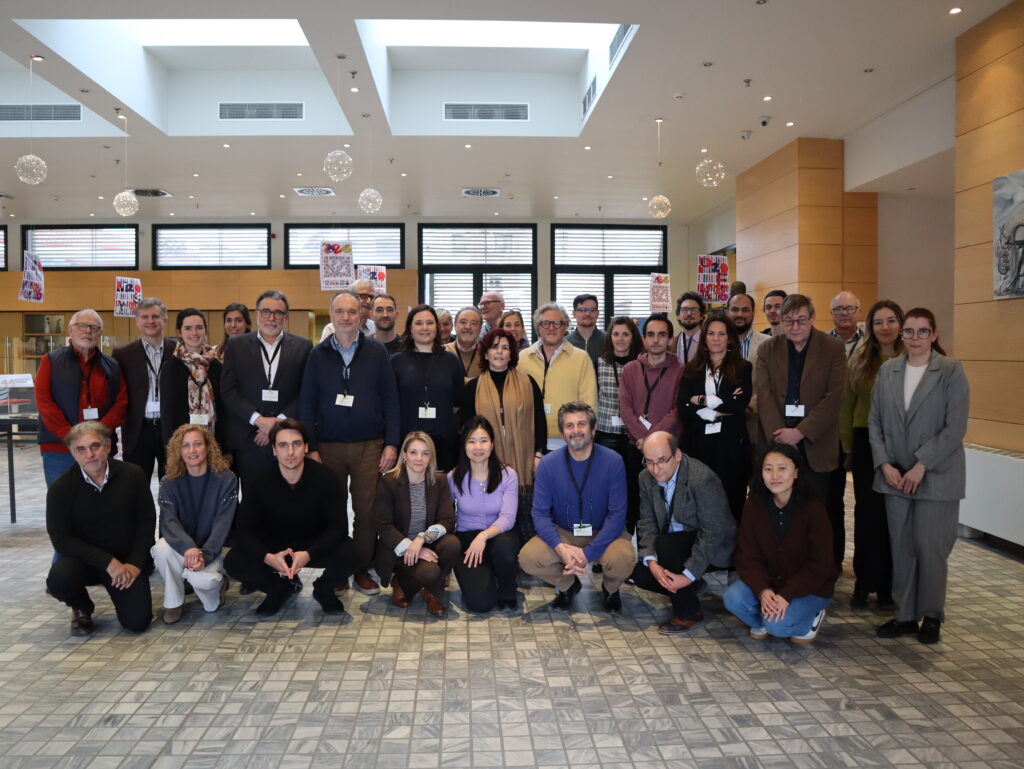
The MarginUp! General Assembly, held from 10 to 12 February 2026 in Kozani, Greece, marked a key milestone as the project moves into its final phase. Bringing together more than 50 participants, including project partners, external stakeholders and advisory board members, the meeting provided a dynamic platform for exchange, reflection and forward planning on the sustainable use of marginal lands.
The three-day programme combined technical sessions, interactive workshops and field-based discussions. Day one focused on project progress and knowledge exchange, featuring updates across work packages, poster sessions on use case development and cross-case implementation, and discussions on results-based monitoring. A central highlight was the presentation of integrated assessment results, where partners explored key trade-offs across use cases, such as balancing environmental performance with market competitiveness or soil restoration with short-term yields. These discussions fed into a dedicated upscaling roadmap workshop, helping to identify barriers and policy implications for future deployment.
A distinctive feature of this General Assembly was the active involvement of members of the Local Advisory Actors Groups (LAAGs). These external stakeholders, representing industry, policy, civil society and research, brought valuable real-world perspectives to the discussions. As highlighted by Philipp Grundmann, Coordinator of MarginUp!, “this General Assembly is special because we have been exchanging not only between the partners, but we have also opened the General Assembly to guests and members of the advisory group”, emphasising the importance of multi-actor engagement in shaping viable and scalable solutions.
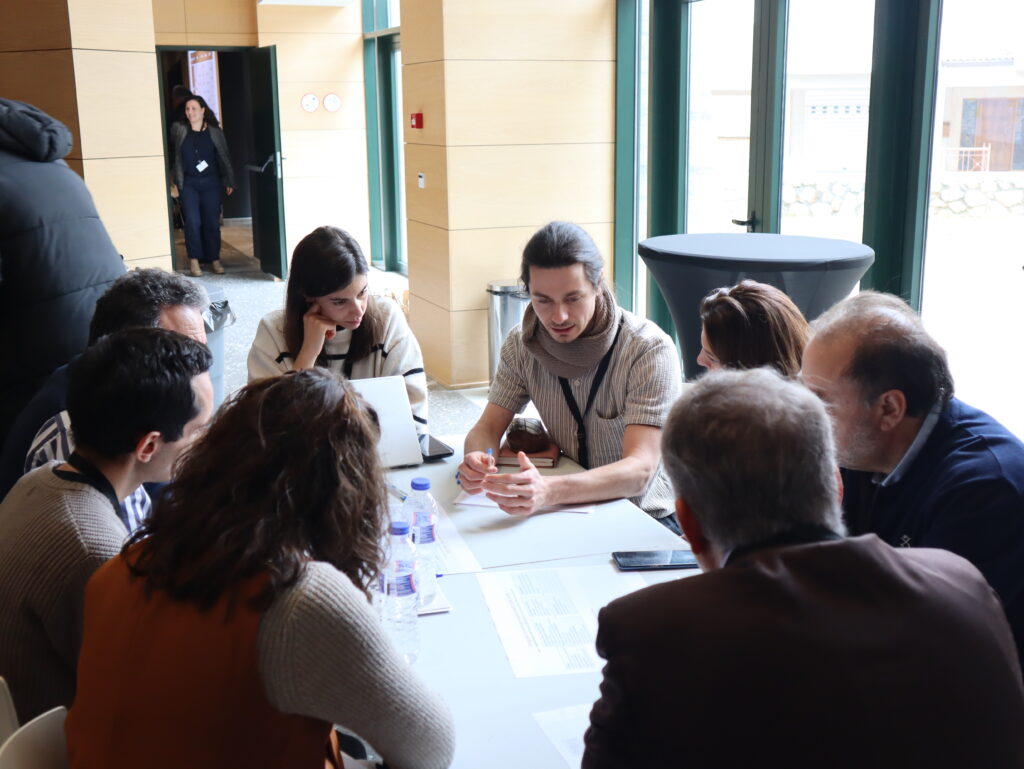
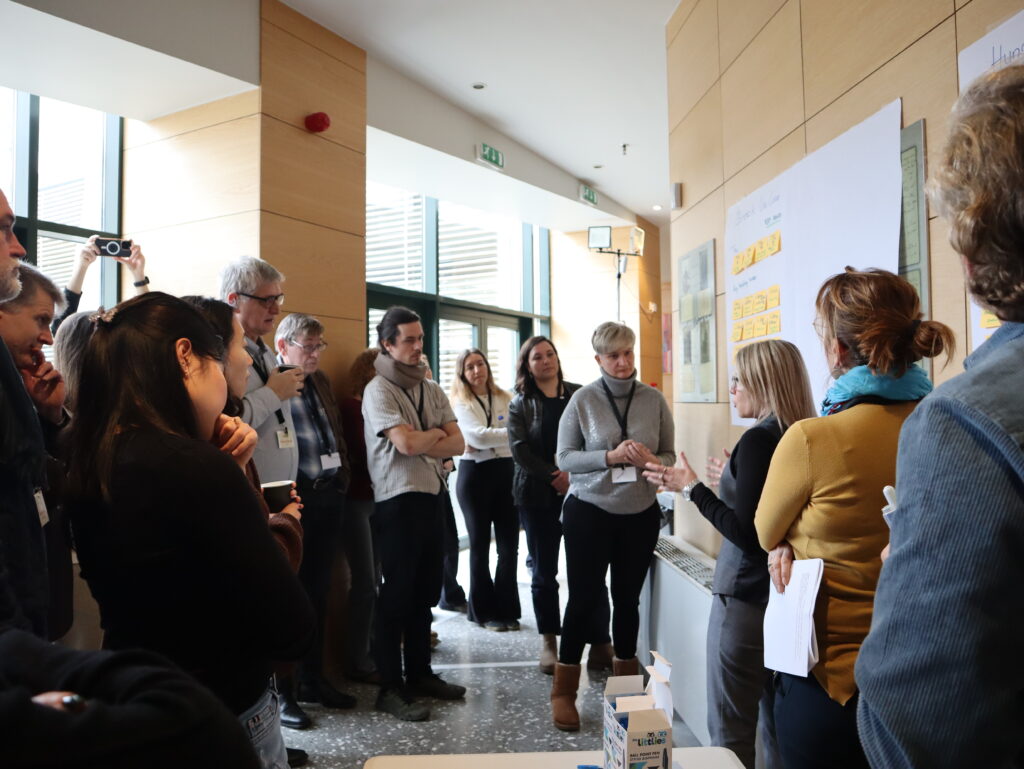
The second day included a replication workshop, fostering knowledge transfer between regions. Participants explored innovative approaches such as the cultivation of new biomass crops and the restoration of degraded land, while also discussing how these practices can be adapted and replicated in different contexts. The policy and governance workshop further examined the frameworks needed to support upscaling, highlighting the role of coordinated action from local to global levels.
The event also underscored that, due to climate, environmental, social and political pressures, the extent of marginal lands in Europe and globally is likely to increase. Consequently, there is a growing need for solutions such as those developed by MarginUp! to support their restoration and sustainable use.
As noted by Nikos Damatis, Business Development Manager at the Hellenic Biomass Association and Local Advisory member, “marginal lands are a problem for many European countries due to the climate crisis, and the project has shown that there are very promising applications across the whole spectrum of the bioeconomy”. From bio-based materials to energy and agricultural products, the diversity of value chains explored within MarginUp! demonstrates significant potential for both environmental and economic impact.
Concrete progress from the use cases was also showcased. In Greece, for example, partners have successfully completed land restoration activities by planting lavender, pseudoacacia, chestnut and oak trees in former lignite mining lands. They have also tested the use of biomass from pseudoacacia trees for wood-based products with positive results. According to Theodora Kalea, Greek Use Case Coordinator and Deputy Head of Bioeconomy & Social Innovation Department at CluBE, “the results of the tests undertaken with Alpha Wood Group indicate that MDF can be produced if we obtain 5 to 10% of fibres from pseudoacacia wood”. Moreover, she highlighted that there is potential to produce additional wood-based products, illustrating how research is translating into tangible, market-oriented solutions.
The final day of the Assembly focused on exploitation strategies, dissemination activities and overall project coordination. Discussions reinforced the importance of aligning technological developments with market needs, policy frameworks and societal expectations. As the project advances, partners are increasingly focused on ensuring that solutions reach higher readiness levels and can be effectively scaled. Philipp Grundmann, Coordinator of the project, emphasised that use cases have reached a readiness level of 7, with some progressing to level 8, indicating progress towards market maturity.
Overall, the General Assembly in Kozani highlighted the strength of collaboration within the MarginUp! community. By integrating scientific knowledge, stakeholder insights and practical experience, the project is well positioned to deliver impactful solutions for the sustainable valorisation of marginal lands, both in Europe and beyond.