
MarginUp! German Use Case Brings Research, Farming and Industry Together in Potsdam
From 23 to 24 September 2026, the Leibniz Institute for Agricultural Engineering and Bioeconomy (ATB) in Potsdam hosted the MarginUp! German Use Case meeting. Partners, researchers, farmers and industry representatives met to share results, link research with practice and explore future work on paludiculture and biomass use.
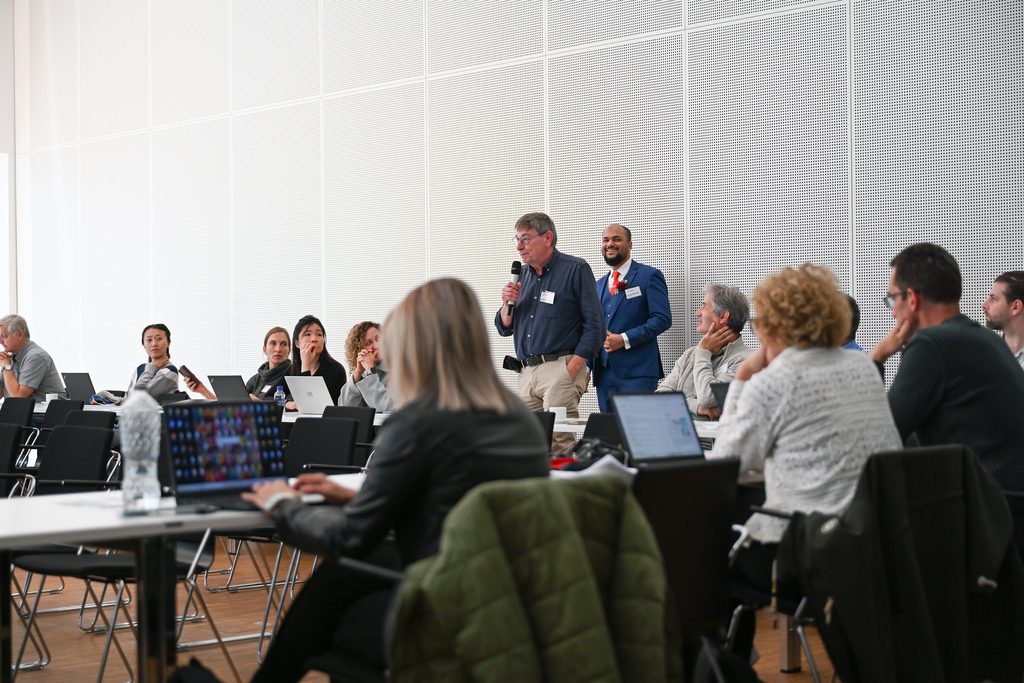
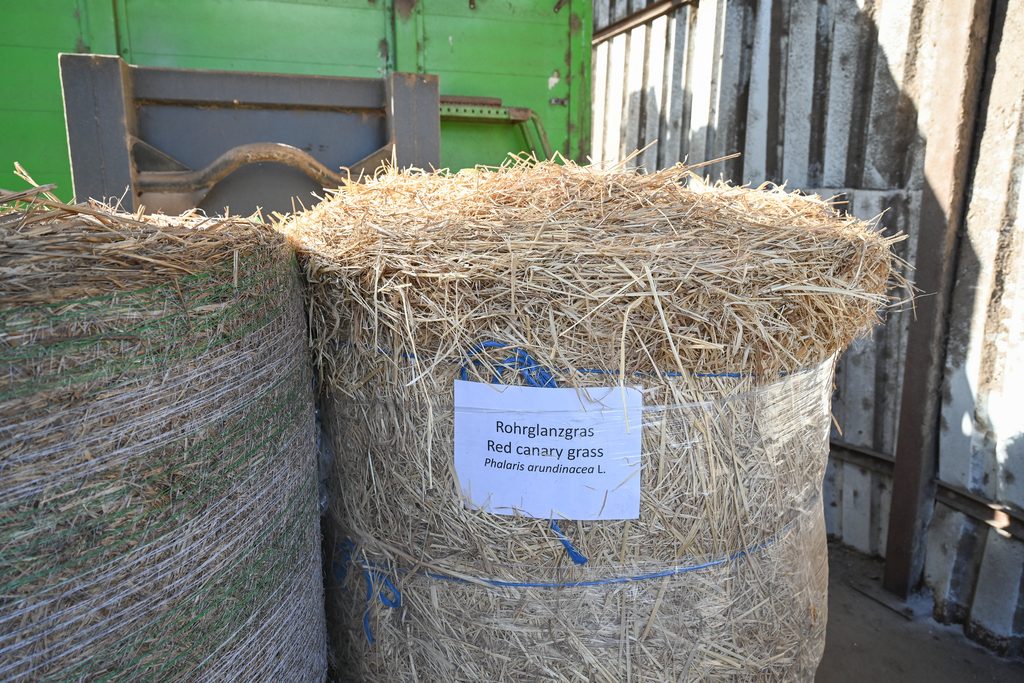
On the first day, after an opening by Thomas Hoffmann and Philipp Grundmann, the German Use Case team presented its main results, lessons and opportunities. The pilot tests paludiculture on rewetted peatlands, land that is marginal for conventional farming. This means growing crops such as reed canary grass on wet soils, then assessing how the biomass can support biodiversity and become feedstock for new bio-based products. ATB leads the research and pilot trials, working with local farmers and the industrial partner FMS Futtermittel GmbH, which processes the biomass.
One highlight of the presentation was the role of reed canary grass in supporting biodiversity on rewetted land. Compared with meadowland, it gave selected bird species three times longer feeding suitability.
Funding and conditions for rewetting
Tim Kleineberg and Katja Searles presented funding opportunities, with a focus on the Palu Project, which has €1.75 billion from Germany’s Climate and Transformation Fund. Farm type and size strongly influence whether farmers decide to rewet their land. Examples from abroad showed ways to support them. In the Netherlands, agricultural collectives share land management and machinery. Denmark combines long-term policy with compensation for lost land value, a CO₂ tax on carbon-rich lowland soils and strategic land acquisition.
Other projects on paludiculture value chains
Several projects showed how wetland biomass can find new markets:
- PaludiKult (Ralf Pecenka, Cäcilia Fiege) showed that processed wetland fibres can make up to 15 vol% of horticultural growing media. No single material is expected to replace peat one-to-one.
- EDELNASS (Hans-Jörg Gusovius, Basri Oktay Koc) looked at turning wet biomass into high-value chemicals and sustainable packaging.
- BLuMo (Ralf Pecenka) presented blue-green landscapes that bring together materials, farming and land management.
- WetNetBB (Venja Röber-Terstegen) explored cascading value chains for regional bioeconomies.
Nader Marzban also presented artificial peat technology.
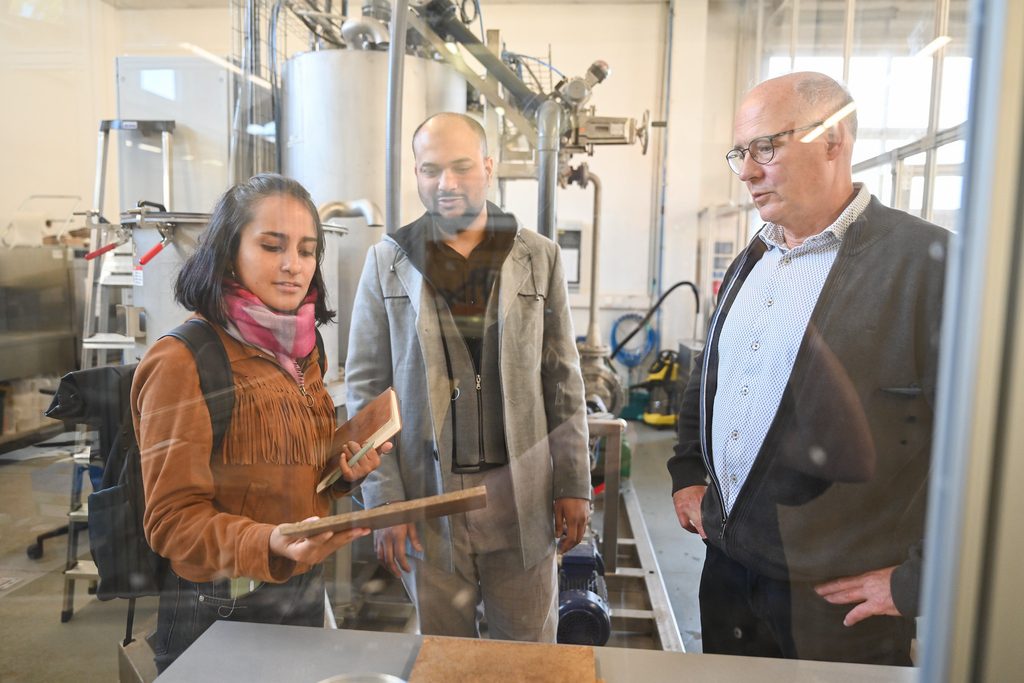
In the afternoon, participants toured the ATB facilities where the Use Case’s research and pilot trials have taken place. They then joined a participatory workshop on policy options and strategies. The day ended with a strategic roadmap and pitches for new project ideas.
From the lab to the field
On the second day, participants visited a peatland farm and FMS Futtermittel GmbH in Selbelang, the Use Case’s industrial partner, to see paludiculture and wetland biomass processing in practice.
The meeting strengthened the links between researchers, farmers, industry and sister projects. These links will help shape the next steps for paludiculture in Germany and other European regions.
